- San Antonio Health Acupuncture1380 Pantheon way
San Antonio, TX 78232830-264-5030 

Latest Articles:
- • Outdoor Activities Best Enjoyed During Spring •
- • The Health Benefits of Spring Cleaning •
- • Delicious Recipes Using Spring Fruits and Vegetables •
Traditional Chinese Medicine
When Your Next Meal is Part of the Treatment Plan
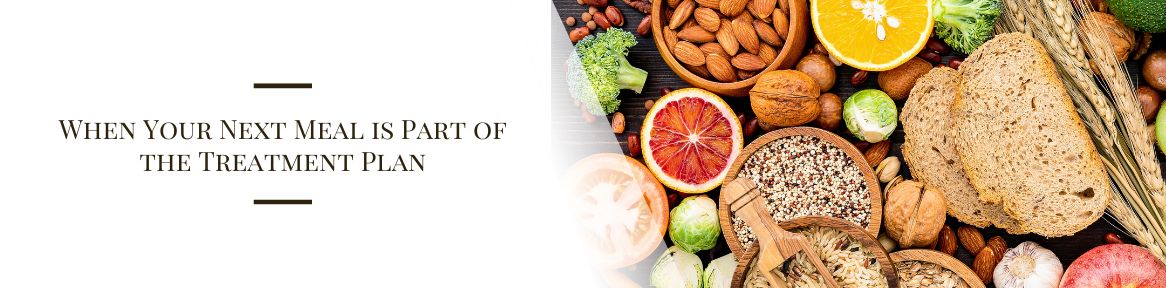
For many chronic health issues, everyday exposures matter most. Food isn’t only fuel. It’s raw material, signaling molecules, and a daily set of “instructions” your body reads repeatedly.
The idea of food as medicine isn’t new. It shows up in traditional healing systems, in public health, and increasingly in modern clinical research. The most useful way to think about it today is practical and evidence-based:
- Food can reduce risk (primary prevention).
- Food can support treatment alongside medical care (adjunct therapy).
- Food can change symptoms by affecting inflammation, blood pressure, lipids, glucose, the gut microbiome, and even brain signaling.
It won’t replace necessary medications or procedures. But in many cases, it can meaningfully shift the trajectory of health and sometimes quickly. continue reading
Cupping + Acupuncture: More Than the Sum of its Parts
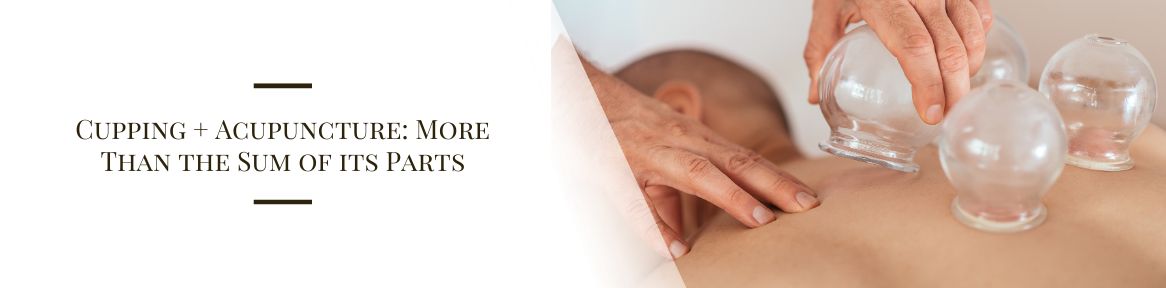 Do any of these scenarios sound like your life: a stubborn knot between the shoulder blades, a low-back flare that keeps returning, or a neck that feels “stuck” after long hours at a desk? Acupuncture needles can calm the nervous system and change pain signaling and cupping can mechanically decompress tight tissue and improve local circulation. Used together thoughtfully and safely they’re often paired to help pain move from “sharp and guarded” to “dull and workable,” and then to “resolved or manageable.” continue reading
Chinese & Japanese Acupuncture: Two Traditions, One Lineage
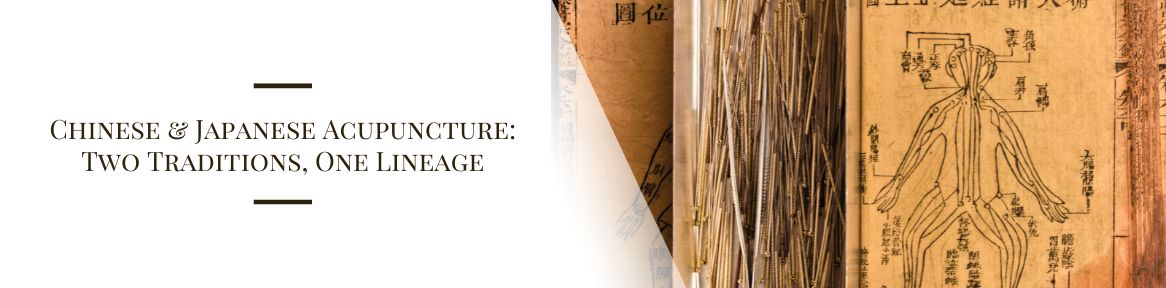
Both Japanese and Chinese acupuncture spring from the same classical East Asian medical roots, yet they diverged over centuries into distinct clinical styles. In Japan, techniques evolved toward gentler, highly tactile methods. And in China, the practice of acupuncture tended to emphasize stronger needle sensation and standardized point prescriptions within Traditional Chinese Medicine, also known as TCM. While some have their preferences, neither is “better” than the other. The right choice often depends on the patient’s condition, sensitivity, and their goals. continue reading
What is Five Element Acupuncture?
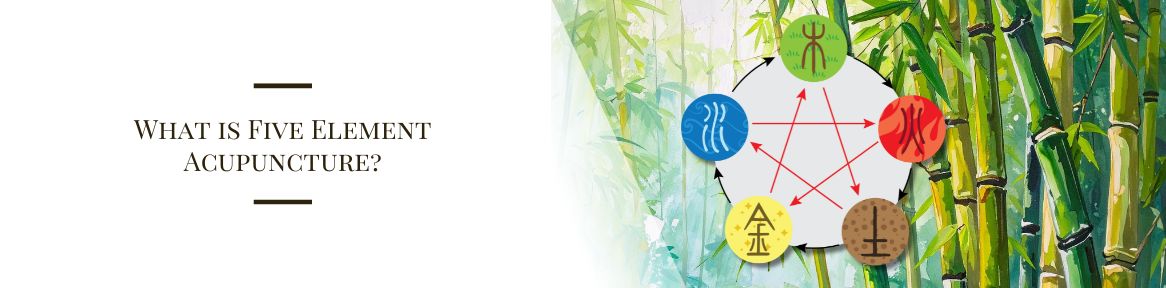
Five Element Acupuncture is a classical style of East Asian medicine that organizes diagnosis and treatment around the dynamic interplay of five phases/elements: Wood, Fire, Earth, Metal, and Water. Each element is associated (in this framework) with organ networks, emotions, sensory patterns, and seasonal cycles. Treatment aims to restore harmony among these elements when one becomes predominant or deficient. continue reading
Stillness in Motion: The Healing Power of Qi Gong at Home
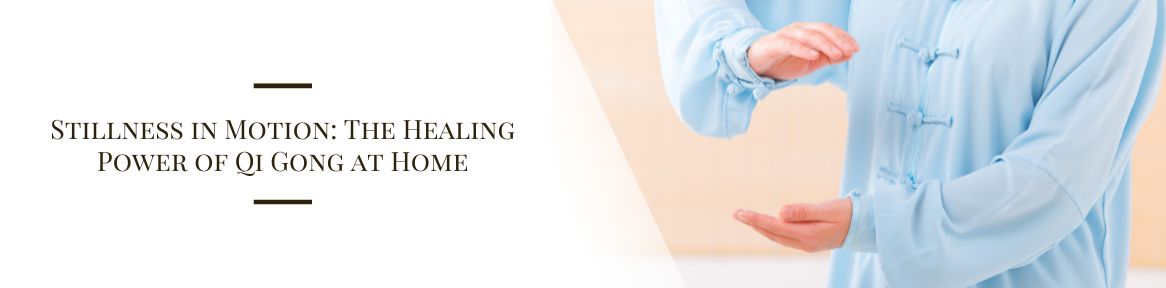
Life can seem overwhelming and unmanageable at times. Everyone is looking for the secret self-care miracle that helps us cope. What may have been a desperate Google search for “natural anxiety relief” has become a daily anchor; the secret to staying calm, focused, and physically energized.
A growing number of people are turning to Qi Gong, an ancient Chinese mind-body practice, for its healing benefits. And more importantly, they are practicing it at home, making wellness a simple part of daily life without special equipment, gym memberships, or medication. continue reading